Watercolor Whale Tail Embroidery: A Professional Review
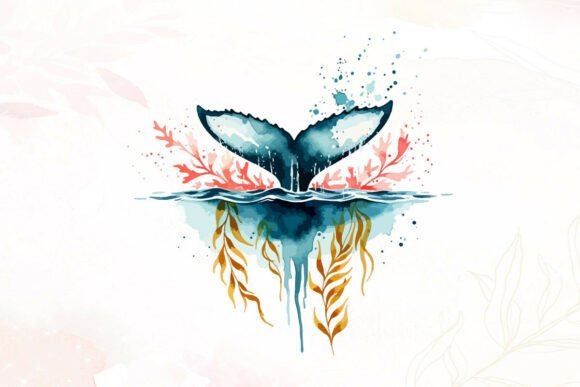
From my studio, with a cup of tea and a pile of fabric samples waiting for their next project, I’m looking at the Watercolor Whale Tail in Ocean Water design. My first task is always to see if a graphic feels like embroidery—not just as a pretty picture, but as a stitched story on fabric. This one immediately whispers "soft" and "organic." The mood is serene, artistic, a touch nostalgic. It’s not a sharp, technical marine illustration; it’s a gentle impression, which is exactly what gives it potential.
The Natural Fit for Handmade Projects
Let’s picture a specific scenario: a custom baby blanket for a coastal-themed nursery. You’re not just looking for a whale; you’re looking for a piece of art that feels gentle and dreamy against soft flannel or minky fabric. This watercolor whale tail design naturally belongs here. Its soft brush strokes translate visually into the idea of soft fill stitches and blended thread colors. It avoids harsh lines, which means on a product like a blanket or a delicate baby garment, it won’t look overly graphic or commercial—it will look lovingly handmade.
Similarly, for a boutique tote bag or an apron, it brings that hand-painted charm. An Etsy seller creating kitchen towels or pillow covers for a "sea cottage" aesthetic would find this design aligns perfectly. It elevates a simple item into a specialty product because the artwork itself carries an artistic personality.
Performance on Real Products: A Practical Walkthrough
How does Watercolor Whale Tail in Ocean Water perform when it moves from screen to needle? For custom apparel like sweatshirts or t-shirts, the watercolor flow is key. On a cotton sweatshirt, the design’s softer edges and color gradients can be beautifully rendered with careful thread selection and stitch density. It won’t feel like a stark corporate logo slapped on; it will feel like an integrated, artistic element. This boosts perceived value.
For patches, the design’s central, recognizable shape—the whale tail—is strong and clear, which is excellent for recognition. However, the "ocean water" background, with its artistic color flow, needs consideration. On a patch, especially a smaller one, those softer background details might need simplification in the embroidery file to maintain clarity after stitching. Always test a patch version on scrap fabric first.
On dark fabrics, this is where your prep work matters. The watercolor effect relies on color variation and lightness. Stitching it onto a black denim cap or a navy hat requires you to check thread color contrast meticulously. You might need to adjust the color palette in your machine embroidery software to ensure the design’s luminosity doesn’t get lost against the dark background. A black-and-white mockup test is invaluable here to see if the tonal values hold up.
Where to Apply Extra Caution
Every design has its sweet spots and its tricky zones. For this one, be mindful on:
- Very small hoop sizes: Trying to cram the entire watercolor artwork onto a tiny area, like a baby sock or a cap’s curved front, could compress those beautiful soft details into a dense, muddy stitch area.
- Highly textured or stretchy fabrics: The design’s artistic flow depends on stitch clarity. A loose knit or a textured linen might interrupt that flow unless you use the correct, firm stabilizer.
- Products needing frequent washing: For items like kitchen towels or everyday caps, the design’s potential for many color changes and detailed fill stitches means you must ensure the stitch density and thread quality are robust enough to withstand wear.
In all these cases, the mantra is: test first on scrap of the actual project fabric.
Impact on Your Business and Customer Trust
Using a design like this isn’ just about making an item; it’s about communicating a quality standard. When a customer sees this Watercolor Whale Tail in Ocean Water embroidered on a product, the immediate impression is of care and artistry. It doesn’t look mass-produced. That boosts handmade presentation and customer trust—they feel they’re getting something unique.
For your brand consistency, if your shop vibe is "coastal," "gentle," or "artistic," this graphic resource aligns perfectly. It becomes a reliable design asset for a range of products, from holiday gifts like personalized pillows to small shop merchandise like embroidered tea towels. It’s giftable because it feels special.
For commercial embroidery projects, say for a local marine-themed boutique’s branded apparel, the design offers a professional yet approachable aesthetic. It engages buyers because it’s visually appealing and emotionally resonant—more than a simple shape.
Essential Designer Notes Before You Hoop
Before you commit this design to a client’s project or your next Etsy listing, run through these practical checks:
- Review the stitch density in the embroidery file, especially in the ocean water areas, to ensure it’s suitable for your chosen fabric weight.
- Confirm the physical hoop size you’ll need to capture the design without compromising detail.
- Inspect the small details, like the tip of the tail and any subtle color transitions; make sure they will stitch out cleanly.
- Compare how it looks on both light and dark fabric backgrounds using software mockups; plan your thread colors accordingly.
- Absolutely use proper stabilizer for the fabric type to preserve that watercolor softness.
- Most critically: check the licensing terms for this graphics product. Confirm whether it’s cleared for both personal and commercial use before you sell any finished items or digital products like printable mockups featuring the embroidered design.
Final Thoughts: A Design That Carries Emotion
The Watercolor Whale Tail in Ocean Water stands out as an illustration that brings emotion to embroidery. It’s not just a graphic; it’s a mood. In real project use—from that custom tote bag for a beach-loving friend to a line of embroidered patches for a craft fair—it performs when you treat it with the respect its artistry deserves. Plan your fabric, your thread, and your stabilizer around its soft, flowing nature. When you do, the finished product won’t just show a whale tail; it will show thoughtful, professional craftsmanship. And that’s what turns a good embroidery design into a great product.