Garden Watercolor Embroidery: A Designer's Review
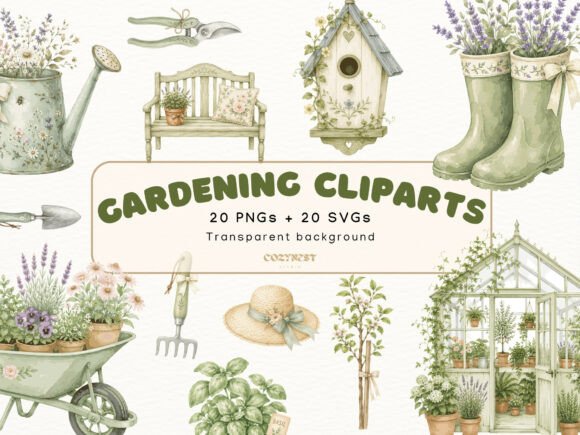
When you’re looking for embroidery files to use in real projects, it’s not just about the image on screen. It’s about imagining how it will look once stitched into fabric, how it will feel in a customer’s hands, and what kind of story it tells. The Gardening Watercolor Cliparts Greenhouse bundle presents a lovely challenge and opportunity from that practical perspective. Let’s walk through what it means to actually use it.
The First Impression: Soft Charm for a Handmade World
Opening these graphics, the immediate mood is one of gentle, cottagecore elegance. The watercolor style implies soft edges and blended colors, which in embroidery translates to a design that feels organic and less mechanically precise. This is a strength for certain products. It creates a warm, approachable visual personality perfect for items meant to feel personal, nostalgic, or artisanal. Think embroidered pillow covers for a cozy reading nook, or the front panel of a linen apron for a gardener. It doesn’t scream "mass-produced"; it whispers "handmade with care."
A Natural Fit for Specific Projects
In my mind, I immediately start placing it on real surfaces. A tote bag for a plant lover, with a single greenhouse motif centered on the front, surrounded by subtle fill-stitch leaves. A baby’s blanket corner, where the soft theme aligns perfectly with nursery decor. The charm is undeniable for personalized gifts—a kitchen towel set for a wedding gift, embroidered with these botanical motifs, would carry a timeless, heartfelt message. For a small shop selling at craft fairs, this design could become a signature series on canvas caps or simple sweatshirts, appealing to a customer looking for that specific, gentle aesthetic.
Performance in Real Embroidery Situations
How does this watercolor style perform when translated into stitches? The success hinges on execution. The likely use of satin stitches for outlines and fill stitches for the softer color areas means the design’s clarity will depend heavily on thread color choice and stabilizer selection.
On light-colored, stable fabrics like cotton tote bags or pillow covers, I anticipate beautiful results. The design can shine as a focal point. For apparel like sweatshirts, the textured fabric might interact interestingly with the watercolor fills, adding depth. I would be particularly keen to use it for an embroidered patch; the theme is ideal for a standalone, applique-style patch that could be attached to a denim jacket or a gardener’s hat.
Where Caution is Advised: The Practical Designer’s Notes
Not every project is an ideal canvas. The presumably detailed elements—small flowers, delicate greenhouse windows—need attention. On very small hoop sizes, these details could become muddled if the stitch density is too high. Stretchy fabrics or thin fabrics like t-shirts require excellent stabilizer to prevent distortion of those soft shapes.
A key consideration is dark fabric. Watercolor designs often rely on light backgrounds. Embroidering this on a black sweatshirt would demand a very thoughtful thread palette; lighter threads might need to be bold to maintain the soft contrast, potentially altering the intended mood. Similarly, on curved surfaces like caps, the layout must be tested to ensure the more intricate corners stitch out cleanly without puckering.
For products destined for frequent washing, like kitchen towels or baby clothes, a robust stitch construction is vital. I would advise testing the design on scrap fabric first, washing it multiple times, to see how the fill stitches hold up before committing to a final product.
Impact on Appeal, Value, and Trust
From a business perspective, using a design like this affects more than just the product. It influences customer perception. A well-embroidered Gardening Watercolor Cliparts Greenhouse item elevates the perceived value. It looks specialized, not generic. For an Etsy seller or a boutique, this supports brand consistency if "soft botanical" is your niche. It enhances giftability and recognition—a customer remembers the unique, painterly feel.
It also engages a specific buyer: the one looking for something beyond a stark, graphic logo. This design invites an emotional connection, which is a powerful tool for creative entrepreneurs. However, professionalism comes from flawless execution. A muddy stitch-out on a poorly chosen fabric can undermine that trust instantly. The design’s beauty is realized only through skilled application.
Essential Pre-Use Checks for Any Embroidery Designer
Before loading the file, my routine would include several steps. First, check the actual stitch count and density in your software—does it look suitable for your intended hoop size? Second, review the thread color list suggested or implied by the graphics. Create a mockup in black and white to check contrast, and then compare how it looks on both light and dark background simulations.
Third, and critically, confirm the licensing terms. Is this embroidery file cleared for commercial use? Can you sell the finished products, like tote bags or patches, from your small shop? Can you use it in digital product previews or printable mockups for your online store? Never assume. This clarity is the foundation of a responsible craft business.
Final Thoughts: A Design with Purpose
The Gardening Watercolor Cliparts Greenhouse bundle isn’t a one-size-fits-all solution. It’s a specialized design asset with a strong personality. Its true worth is unlocked when paired with the right project, the right fabric, and meticulous embroidery setup. For the designer aiming to create products with a warm, handmade presentation and cottagecore charm, it offers a wonderful toolkit. Approach it with a practical eye, test it thoroughly, and it can become a staple in your collection for custom apparel, personalized gifts, and distinctive small shop merchandise. Your final product will carry not just stitches, but a very specific, and very lovely, mood.