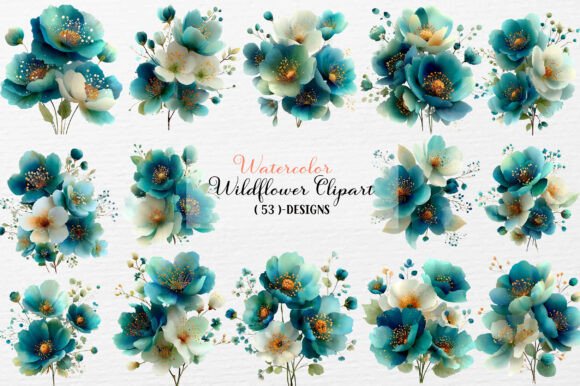
Watercolor Wildflower Graphics for Editorial Illustrations
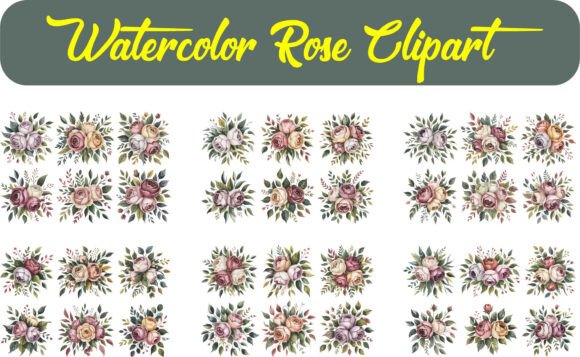
Opening a pack of watercolor wildflower clipart is a distinct moment for a publisher. My first impression was of an asset that feels simultaneously artistic and accessible. The soft blends and organic shapes create an editorial mood that is gentle, feminine, and deeply rooted in lifestyle content. It supports niches like gardening blogs, wellness publications, creative entrepreneurship, and seasonal content with a natural, handcrafted aesthetic.
The Editorial Atmosphere of Watercolor Florals
This graphic design asset doesn't shout; it whispers a mood of authenticity. For readers, this subtlety builds trust. It signals content that is thoughtful, perhaps educational, and often decorative. In a world of stark digital interfaces, these illustrations bring a touch of artistic warmth to a page, making your website presentation feel more curated and less templated.
Integrating Wildflowers into a Real Publishing Workflow
Imagine you’re preparing a spring gardening guide. The workflow begins with a featured image for the blog post. A watercolor wildflower cluster becomes the focal point, with your headline overlaid. Next, you adapt that graphic for a Pinterest pin, ensuring the floral elements frame the text for better click-through potential. The same set provides accents for the digital guide itself—header illustrations, section dividers—and ultimately becomes the cover art for the downloadable PDF lead magnet.
This consistency across blog graphics, social media graphics, and digital products strengthens your visual identity. It makes your content instantly recognizable, whether seen in a newsletter header, an affiliate content visual, or as a thumbnail in a media kit.
Concrete Uses for Polished, Clickable Content
For practical publishing, these illustrations shine in specific applications. They are ideal for hero images that establish a site's mood, article thumbnails that stand out in a grid, and Pinterest pins where visual appeal is paramount. They work beautifully as editorial accents beside quotes or as decorative elements in content upgrades like worksheets.
Consider them for category visuals on a blog—a distinct wildflower style for each topic—or for creating cohesive Canva templates for your team. Their hand-painted quality elevates simple website headers and makes social media previews for digital downloads look less generic and more like a professional-looking content page.
Where This Design Asset Supports Performance
Using such a defined visual style directly impacts content performance. A stronger first impression grabs a scrolling visitor. A clearer visual hierarchy—with florals guiding the eye to your headline—improves readability. For affiliate marketing, polished graphics alongside product recommendations foster improved reader trust. Most importantly, it builds more consistent branding across all touchpoints, from your blog to your printable designs.
Navigating the Practical Limits of This Creative Design
While versatile, watercolor wildflower clipart should be used carefully in certain contexts. In very small mobile thumbnails, delicate details may vanish. On text-heavy blog images, ensure the background has enough contrast for readability—avoid placing white text over busy, light-colored floral areas.
This style may feel mismatched in serious professional niches or corporate content requiring a very minimal visual system. Similarly, on already busy layouts, adding decorative florals could clutter the design rather than enhance it.
Essential Publisher Notes Before You Hit Publish
Always test a new graphic design asset in real scenarios. Preview these watercolor wildflowers inside your actual blog layout. Check how they look as a 150px thumbnail. Overlay your typical headline text—try it with a clean sans serif font, a classic serif, and even a playful script font to see the interplay.
Assess contrast and readability. Convert the graphic to black and white momentarily to check if the composition holds without color. Remember, these PNG files are designed for printing and sublimation, but for web use, review file size. Compress images properly for web performance to keep your site fast.
Finally, a critical step for any commercial design use: confirm the commercial licensing terms. If you're using these on monetized websites, affiliate pages, or within paid content products like digital guides, you must have the correct license. This due diligence protects your business and respects the creator's work from the creative marketplace.
From Digital Download to Digital Authority
Ultimately, watercolor wildflower clipart is more than a pretty picture. It’s a tool for visual communication. When applied thoughtfully across your website design, editorial design, and content marketing materials, it transforms a collection of PNG files into a cohesive brand element. It helps your small business branding feel established and your creative entrepreneurship look polished. For bloggers, publishers, and all content creators, these design assets bridge the gap between having something to say and having a beautiful way to show it.