Evaluating Watercolor Bunny Graphics for Product Collections
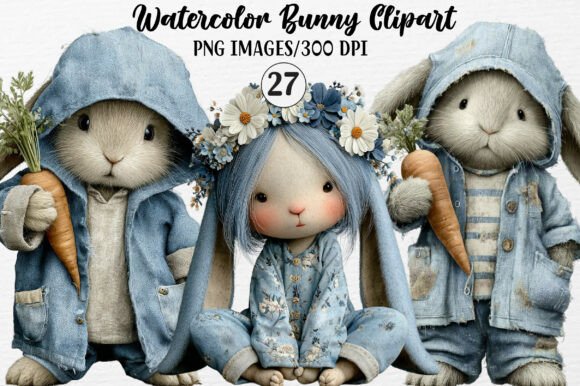
When planning a new seasonal collection for my shop, the first impression of an asset like Watercolor Bunny Clipart is crucial. This set leans toward a soft, handmade aesthetic—it feels playful, cute, and decorative, with a clear niche appeal for feminine, nursery, or spring-themed audiences. The watercolor style suggests a gentle, artistic personality, which can attract buyers looking for something less rigid and more whimsical than a standard vector illustration. The mood is inherently welcoming, making it a strong candidate for products aimed at gifts, personal crafts, or lighthearted brand storytelling.
Integrating Illustrations into Real Product Projects
As a seller, my immediate thought is application. Since these are PNG files designed for sublimation or general printing, they fit into a wide range of commercial designs. The primary use case is straightforward: this clipart is ready for projects where a transparent background graphic is needed. I can envision using these bunnies directly in printable wall art, greeting card templates, or as decorative elements on planner stickers. For merchandise, they would work well as t-shirt graphics, mug designs, or prints for tote bags and tumbler wraps, assuming the resolution is high enough for large-scale printing.
The limitation noted—that these are not layered SVG files—shapes the strategy. It means this asset excels in contexts where the design is applied as a finished graphic, not deconstructed for intricate cutting. Therefore, it's less suitable for detailed Cricut projects requiring clean cut lines for stickers, but it becomes a powerful component for digital paper packs, Canva template elements, or as part of scrapbooking kits where the image is used whole.
Testing for Marketplace Presentation and Appeal
Before I publish any listing using this graphic, a rigorous test is non-negotiable. The first step is always a mockup. How does the bunny illustration look on a real product? I'd create a simple t-shirt mockup, a mug preview, and a digital wall art sample. This not only checks visual fit but also helps gauge the asset's impact on thumbnail appeal and click-through potential. A strong, well-placed illustration on a clean mockup can significantly boost perceived value and customer trust.
Next, I preview the key design as a marketplace thumbnail itself. Does it stand out in a crowded Etsy or Creative Fabrica search? I test it on both white and dark backgrounds to ensure contrast holds up. For sublimation projects specifically, as the product description advises, I'd verify the colors look vibrant in a test print simulation, as color shifts can occur. Crucially, I inspect the PNG transparency on different backgrounds to ensure no unwanted edges or halos appear, which can make a product look unprofessional.
Strategic Use in Building a Cohesive Collection
This type of illustration shines when used to build visual consistency across a collection. A set of watercolor bunny graphics could anchor a spring-themed bundle—combining them with complementary patterns and fonts to create printable party kits, invitation templates, or social media graphics for promotion. They can enhance brand identity for a small business focusing on handmade or nursery products, providing a recurring decorative element that tells a story.
For product presentation, these assets work best in large previews where their watercolor texture is visible, in themed decorative layouts for digital downloads, and in clean product mockups that let the design be the hero. They can elevate blog graphics or packaging design concepts, adding a touch of premium craftsmanship.
Points of Caution for Commercial Application
However, a business-minded approach requires knowing where an asset might falter. Given the PNG format and likely artistic style, these illustrations should be used carefully in contexts requiring extreme precision. Avoid using them for tiny sticker details where intricate cutting is needed. They might not suit overly complex layouts where the soft edges could get lost, or low-resolution print products where the watercolor detail could blur. In crowded thumbnails or text-heavy templates, the illustration could become visually noisy rather than enhancing the layout.
The most important practical step is confirming the commercial license terms for the original clipart. Only after that can I safely sell my finished products, like Canva templates or printable files, incorporating it. File organization for customers is also key—if I bundle this graphic with others, clear labeling and high-resolution confirmation are part of delivering a professional digital product.
Finalizing a Product with Professional Polish
To complete a product like a greeting card or wall art template using this bunny clipart, pairing it with the right typography is essential. I'd test it with a delicate script font for a feminine touch, a clean sans serif for a modern contrast, or a playful display font to maintain the whimsical mood. This pairing completes the design and makes it a ready-to-use commercial asset for my customers.
In summary, Watercolor Bunny Clipart presents a specific opportunity. It's a graphic design asset tailored for sublimation and print-based products, offering a soft, decorative appeal for targeted niches. Its value is unlocked through methodical testing on mockups, careful application in suitable product formats, and strategic use to build cohesive, professional-looking collections for creative marketplaces. By understanding its strengths—print-ready PNGs with transparent backgrounds—and its limits—not being layered SVGs for cutting—a seller can effectively integrate it into a commercial toolkit, creating sellable products that resonate with a defined audience looking for that handmade, watercolor charm.